Ohio winters aren’t exactly known for their mild temperament, and this year is no exception. With temperatures dropping and rising at unpredictable intervals, many Ohioans are experiencing trouble with their hot water supply. Nobody wants to step into the shower only to be met with freezing cold blasts! If you find that your hot water takes forever to arrive, or doesn’t last as long as it should, you may be missing a bigger underlying problem.
Why is My Water Heater Struggling?
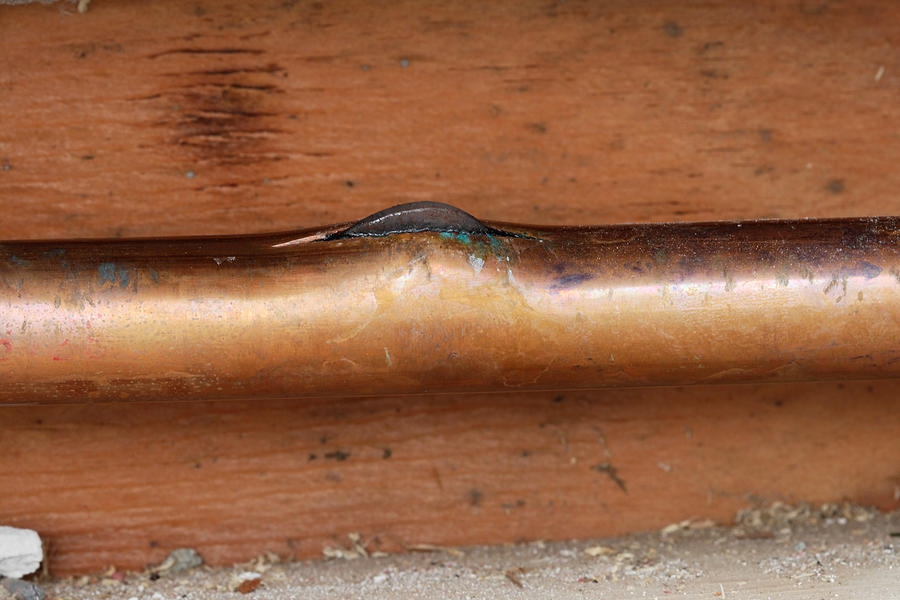
When outside temperatures begin to drop, your water heater may struggle to keep up with household demands. That difficulty is not incidental. When winter hits, the temperature surrounding your pipes dips. If you get your supply from a municipal source or well water, it will be extremely cold during these months. This causes your heater to work harder just to bring the water up to the desired temperature.
If you have a sediment build-up in your tank, it acts as an insulator. This debris makes it more difficult for your water heater (electric or gas) to effectively heat the water. This becomes more noticeable in colder months, when hot water is in high demand. Speaking of demand, families tend to take hotter, longer showers in the winter. They wash dishes, do more laundry, and generally expect a lot more from their water heater. This becomes more noticeable as the system struggles to keep up.
Likewise, an aging water heater may not be up to the task. As their capabilities decline, an older unit will struggle more when put up against cold water. Malfunctions can also take their toll on water heater efficiency. A broken thermostat won’t be able to read the temperature correctly, which makes turning on the faucet a touch unpredictable. For gas burners, you want to make sure you check the pilot light. A pilot light that refuses to remain lit or a burner that is all clogged up can keep your water from heating correctly.
What Can I Do Here and Now?
Massie Creek is here to help with your plumbing problems 24 hrs. a day, but we understand that most people don’t want to call in a plumber just to find out it’s a quick fix. Respect your water heater system by knowing when it’s time to get a professional involved, but there are a few things you can try before.
Flush the Sediment: You can help increase your water heater’s efficiency by flushing your system. First, you will need to shut off the electricity/gas to the heater. Then, connect a hose to the drain and run cold water through until the dirty water dissipates and comes out clean. Once that’s done, you can refill the tank and turn the power back on.
Insulate Your Pipes: Insulating your pipes helps reduce heat loss as water travels to and from your water heater. This is a relatively inexpensive way to improve your overall efficiency, especially if your pipes run through areas like a crawl space or basement, where it isn’t heated.
Check Your Circuit Breaker: Check your electrical panel to make sure the circuit breaker for your heater hasn’t tripped. Flip it back on, but if it clicks off again, Do Not Force It! Close the panel and give us a call ASAP.
Check Your Pilot Light: Likewise, on a gas heater, you want to see if the pilot light is lit. Your water heater should have a label with instructions on how to relight the pilot. If it goes out frequently, then there is likely a bigger issue at play that will need professional attention.
Reduce Your Water Usage: Nothing hits quite like a hot shower after a cold day. But now is not the time to put extra pressure on your water heater. Do what you can to reduce the strain by using cold water where possible. Washing your laundry on cold, only running your dishwasher when it’s full, and limiting your shower time can all help reduce the strain on your water heater.
Adjust Your Thermostat: A slight increase may be all you need to help improve your hot water functions. Most professionals suggest setting the temp to 120°F (49°C). Any higher and you waste energy, not to mention the risk of scalding water.
Something Is Still Wrong
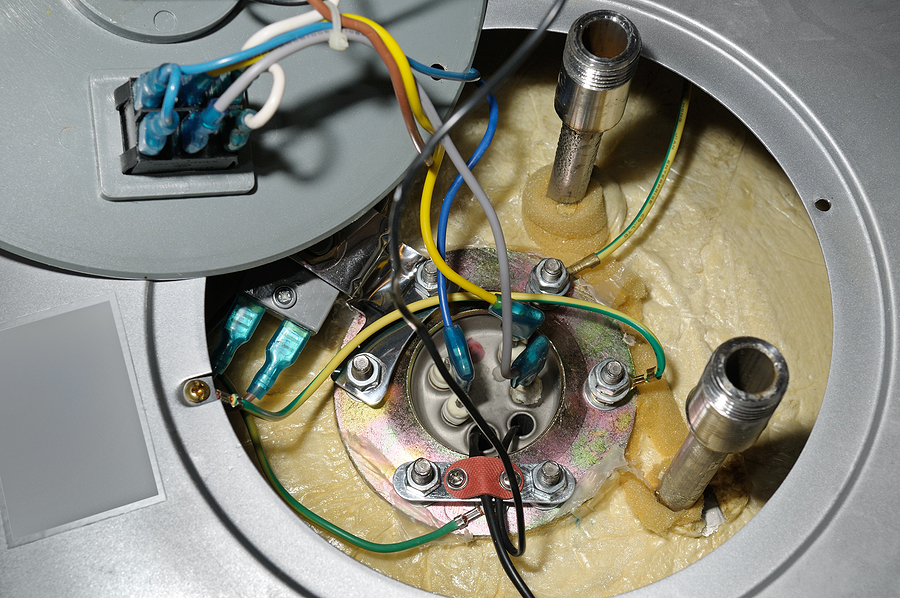
That’s what Massie Creek is here for. Sometimes the problem goes beyond what a capable homeowner can manage. At that point, it’s time to call in the professionals. A problematic water heater doesn’t always mean you need a replacement. It may be as simple as a faulty dip tube or broken heating element, both of which are easy and budget-friendly replacements. But it’s best to have an experienced repair technician give your water heater an inspection so you get the full workup of any issues.
Here are some signs you need to call a professional:
Aged Water Heater (10-15 years old)
No Hot Water
Smelly or Discolored Water
Banging/Popping Noises
Leaking/Moisture
Short/Frequent Cycling
Pilot Light Goes Off Constantly
All of these problems indicate a more complicated problem with your water heater and require a professional to fix. A skilled technician can also give you advice on routine maintenance to help prevent these problems from recurring. A proactive approach to water heater care is a cost-effective, hands-on way to increase the lifetime of your equipment and cut down on frustrations that can come from minor concerns.
At Massie Creek, we offer water heater installation and repair services that Dayton residents can count on. Whatever the trouble is, we can be at your door quickly with a seasoned team, ready to give you the clean and consistent water you deserve. Massie Creek convenience and peace of mind knowing things are done correctly, efficiently, and safely!