With icy cold temperatures set to hit Ohio this winter, the last thing you want is your water heater to give out. It’s a fairly common problem, with most families facing malfunctions as their unit ages. Small maintenance issues go overlooked, and the heater suffers as a result. The effectiveness becomes compromised and WHAM! Now you’ve got to get a brand new water heater in the middle of a January blizzard.
The good news is that with a little knowledge and awareness, you can spot problems with your unit and get the experts on the job. Let’s check your water heater out before the holiday rush arrives.
Strange Noises
** Note: Shallow depth of field
If you hear banging, popping, ticking, or any number of other unusual noises coming from your water heater unit, then there is most definitely a problem. Different sounds mean different issues. Constant knocking could be a result of too much pressure. Popping could mean a build-up of sediment. Humming or vibrating could mean you have a loose fixture or valve. It’s best to leave the diagnostics to a professional, but if you hear weird noises from your water heater, give us a call.
Lukewarm or Cold Water
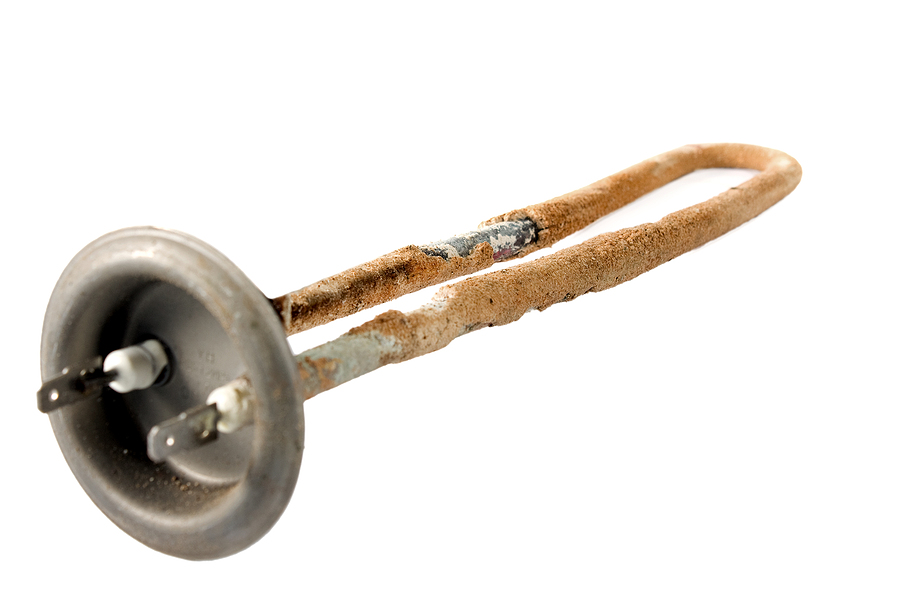
If you find yourself unable to maintain a consistent water temperature, it’s a sign that the heating element inside your unit is starting to fail and will need to be replaced. There can be several reasons for this: sediment buildup, a broken thermostat, clogged pipe. But all of them require professional knowledge to deal with effectively. The heating element can typically be replaced, but in many situations, it’s easier to just replace the entire water heater.
Leaks and Corrosion
Water heaters are designed to hold a lot of water, so even a small leak is a sign of a problem. You may want to check and make sure that this is not the result of condensation. You can do that easily by
1: Clean up the water
2: Turn OFF the gas control valve
3: Wait for a few hours to see if the moisture returns
4: No water means it was likely condensation
If you do see water, then the next step is to turn off your power supply. Your gas shut-off valve is typically located at the top of your water heater. If you have an electric water heater, you will need to locate the panel and follow the instructions on the inside of the panel door to turn off the power.
Discolored Water
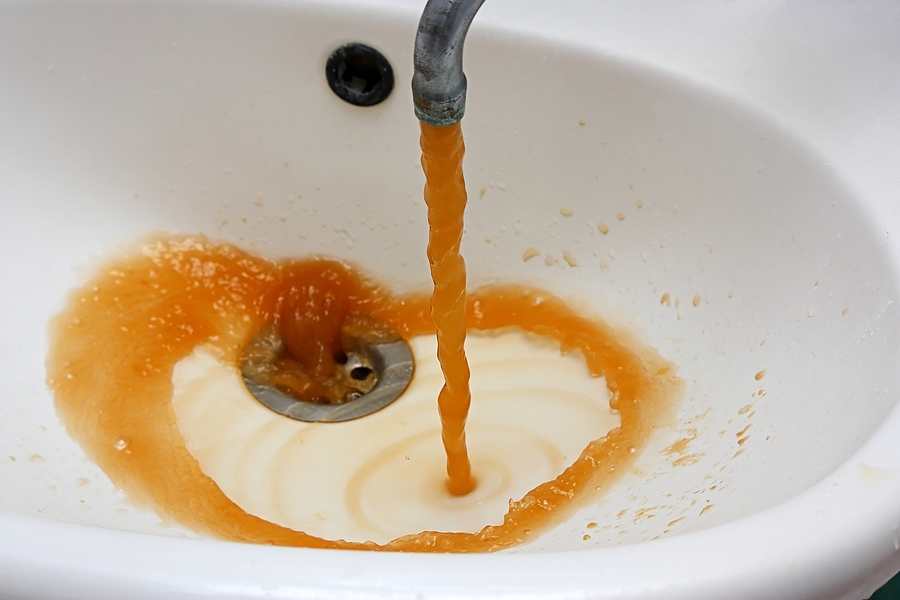
When the water coming from your taps has a rusty brownish tint to it, then your water heater is failing. The discoloration is usually thanks to rust building up inside the water heater, which means that the tank is corroding. Sometimes, older pipes can be the central issue, or sediment from nearby construction work. But it’s best not to put things off. Different water colors can usually help identify the central issue.
Yellow: The result of iron bacteria in the water, typically from a rusted tank or pipes. If you use well water, the yellowish tinge can come from tannins in the soil.
Orange: High levels of iron, which typically come from massive corrosion or iron deposits. This can often appear after work on municipal lines.
Brown: Sediment or rust. Typically, a sign that your tank or pipes are aging badly and will need to be replaced very soon.
Low Water Pressure
Ohio has a lot of older homes in the region, resulting in frequent modern updates to the water heating units. But much of the time, people forget to replace the plumbing with a brand new, state-of-the-art water heater. The older pipes can’t accommodate because they just weren’t built to handle a newer, better functioning system. This can lead to low water pressure. If you’re getting a new water heater installed, ask about your pipes too.
Prep for Winter
Once you’ve gone through the checklist and made sure your heater doesn’t have any major issues to frustrate you down the road, you can take the time to make sure your unit is winter-ready. Thankfully, this is something most homeowners can manage on their own, alleviating the need to call in a plumber. Cold temperatures put additional pressure on your water heater’s performance. A few quick steps can help it acclimate.
Flush The Tank: Sediment buildup makes your heater work harder during the cold months. Flushing the tank helps get rid of the excess debris so it functions normally.
Insulation: Insulating the exposed pipes and the water heater will help maintain a steady temperature so you can prevent heat loss and reduce your energy bills.
Pressure Relief: Make sure your pressure valve is operating correctly before winter. This prevents excess pressure from building up in the tank.
With winter on the way, Massie Creek is here to help. We’re not just plumbers, we are your neighbors, family, and friends in Dayton, OH. Not only do we have our knowledge and experience as professionals, but we also have a unique understanding of how Ohio plumbing behaves in spring or winter. Call us for routine check-up, maintenance, repairs, replacement, or emergency plumbing services anytime, day or night.